Over 30 casualties avoided in three years thanks to Cowley LTNs

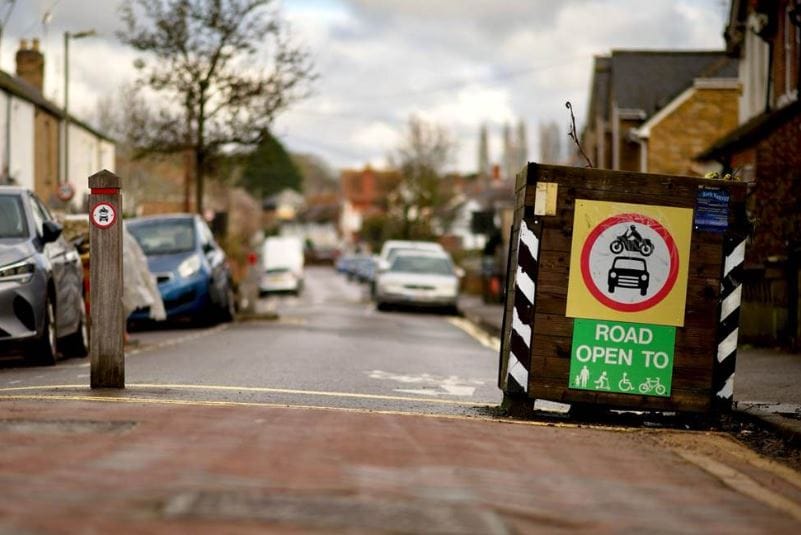
Research by the Coalition for Healthy Streets and Active Travel (CoHSAT) has found that the last three years' of road casualty data from the Cowley Low Traffic Neighbourhoods (LTNs) show that casualties have been significantly reduced and an estimated 33 people have avoided injuries from collisions in the LTNs and on boundary roads.
Road safety in the Cowley LTNs
Within the LTNs, casualties are well under half the pre-LTN rate, and when boundary roads are included, the reduction is more than one-third. Every year has shown a lower level of casualties than the pre-LTN and pre-Covid average.
Robin Tucker, Co-Chair of CoHSAT, said “With three years of consistent data from Police casualty reports showing far fewer injuries in both the LTNs and the boundary roads, the Cowley LTNs have saved more than 30 people from getting injured. As far as we are concerned, there is no way that anyone should be thinking about reintroducing through traffic and injuries to these quiet streets, just to save a few minutes on someone’s car journey”.
These results are consistent with other studies' findings that LTNs reduce road casualties by half or more, including a study of 72 LTNs in London. The Sunak Government’s March 2024 Low Traffic Neighbourhoods Review also concluded that “there is evidence that there has been less street crime and improved road safety within LTNs.”
The injury reduction on boundary roads is likely to result from a reduction in the number of drivers turning into and out of residential side streets, which is a key source of collisions involving cyclists and pedestrians.
Could LTNs reduce injuries in Headington?
A key aim and proven benefit of LTNs is improved safety, particularly for children, disabled people and all people who cycle, walk or wheel. CoHSAT's analysis shows that the Headington LTNs, which were due to be implemented in 2022, would reduce road casualties by about 3 per year, possibly more.
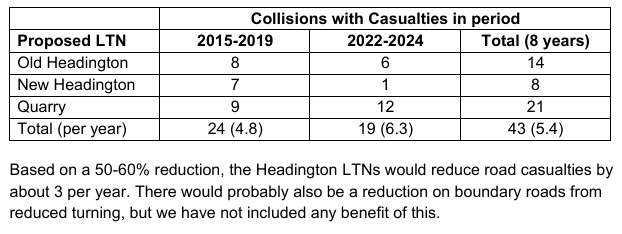
This would mean three families every year not having to deal with the trauma of road violence. It would also mean everyone being able to use Headington's neighbourhood roads without the fear and stress caused by dangerous, intimidating through-traffic, and would cheaply and quickly create vital safe routes to Headington's schools.
This is a key reason why we want the Headington LTNs to be implemented - so that Headington residents can have the same safety benefits of LTNs that residents in other areas of Oxford have had for years/decades.
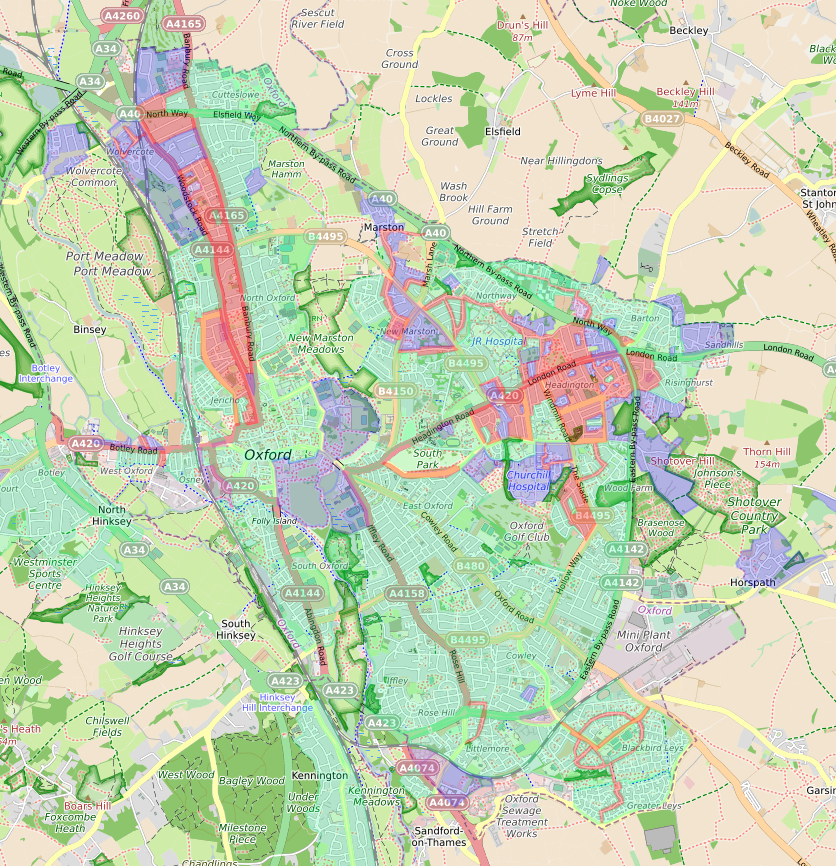
Headington is now one of the few areas of Oxford that doesn't benefit from LTNs, as shown in the map below. It's unclear why the County Council and several local councillors continue to deprive Headington residents of these safety benefits that residents in most other parts of Oxford enjoy.
See CoHSAT's blog post for further detail, including methodology and data sources.